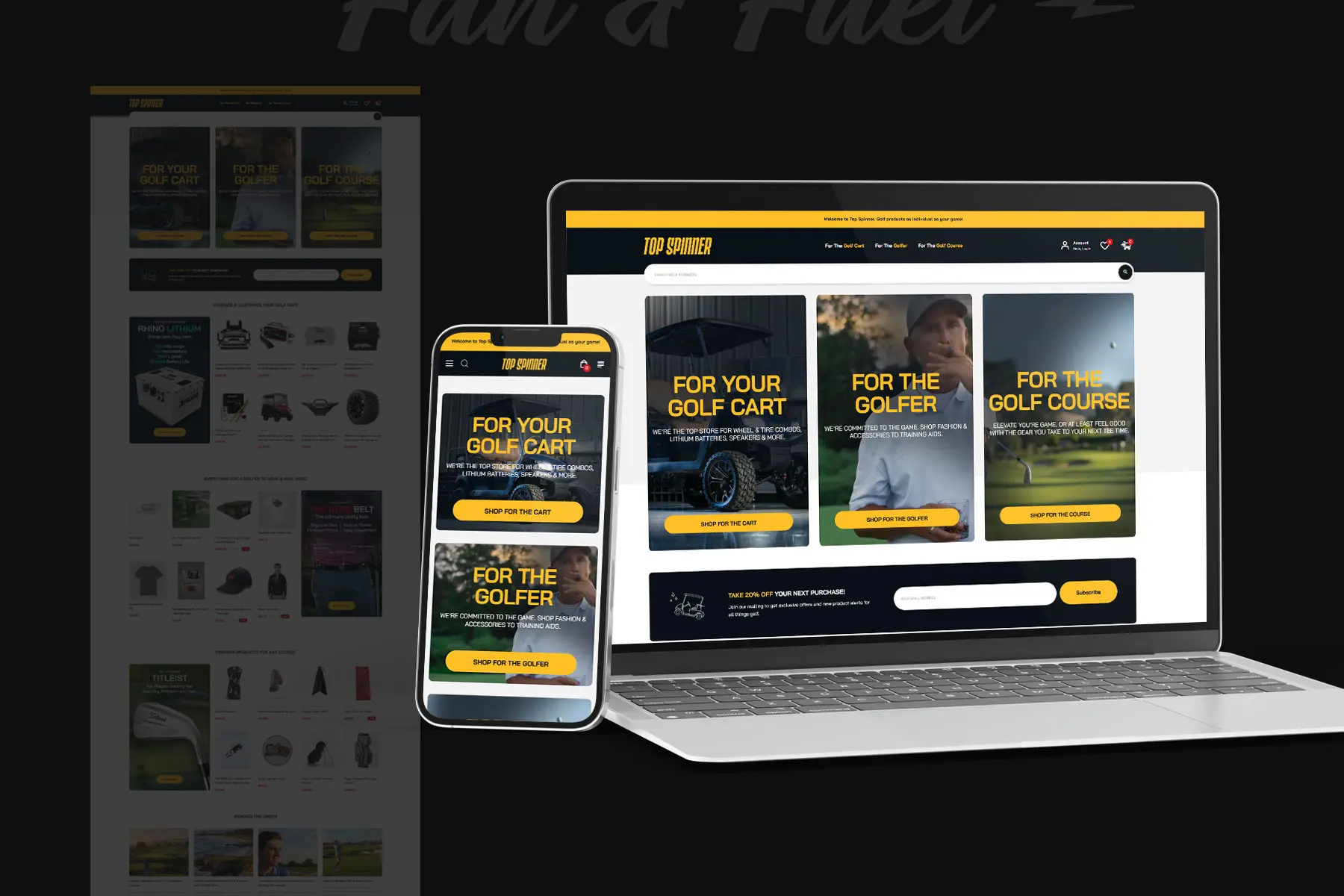
A website’s home page is often compared to a digital front door, but that analogy is a bit too passive. In reality, a home page is more like a high-performing concierge, a brand ambassador, and a closing salesperson all rolled into one. It has mere seconds—approximately 0.05 seconds, according to research—to form an impression and convince a visitor to stay.
An effective home page doesn’t just look "clean" or "modern." It is a strategic map designed to guide a user from curiosity to conversion. To achieve this, several core elements must work in perfect harmony.
1. The Hero Section: Clarity Over Cleverness
The "Above the Fold" area is the most valuable real estate on your entire website. Before a user even thinks about scrolling, they should be able to answer three fundamental questions:
- What do you offer?
- How will it make my life better?
- What do I do next?
The Value Proposition
An effective home page features a Headline that leads with a benefit, not a feature. Instead of "We Sell Innovative Software," a strong headline says "Automate Your Workflow and Save 10 Hours a Week." This should be supported by a sub-headline that briefly explains how you deliver that benefit.
The Primary Call to Action (CTA)
Don’t make users hunt for the next step. Your primary CTA should be a high-contrast button that tells the user exactly what to do (e.g., "Get a Free Quote," "Start Your Trial," or "Shop the Collection").
2. Social Proof: The Trust Factor
In a digital world, skepticism is the default setting. An effective home page must bridge the "trust gap" immediately. If you claim to be the best, you need someone else to back you up.
- Testimonials: Use real quotes from real people. Including a photo, name, and title adds a layer of authenticity that "Anonymous" quotes lack.
- Trust Badges: Display logos of well-known brands you’ve worked with, certifications you’ve earned, or media outlets where you’ve been featured.
- Reviews and Ratings: If you have a high volume of positive reviews on platforms like Google, Yelp, or Trustpilot, an embedded widget showing your star rating can significantly boost credibility.
3. Benefits vs. Features: Solving the Problem
Many businesses fall into the trap of talking about themselves. An effective home page flips the script and talks about the customer.
While you should briefly outline your services or products, the focus should remain on the "Transformation." Use a "Features-Advantages-Benefits" framework:
- Feature: Our vacuum has a 500W motor.
- Advantage: It has the strongest suction in its class.
- Benefit: Your carpets will finally be free of stubborn pet hair, giving you a cleaner, healthier home.
4. Intuitive Navigation
Your menu should be a GPS, not a puzzle. An effective home page keeps the navigation bar simple and organized.
- Stick to the Essentials: Home, About, Services/Products, Pricing (if applicable), and Contact.
- Sticky Headers: Keeping the navigation at the top of the screen as the user scrolls ensures they never feel "lost" and can click a CTA at any moment.
- Search Bar: For content-heavy sites or e-commerce, a prominent search bar is a necessity for user experience (UX).
5. Visual Hierarchy and Engagement
The human eye follows specific patterns when scanning a page—usually an "F" pattern or a "Z" pattern. An effective design leverages this by placing the most important information along these natural paths.
High-Quality Imagery
Stock photos of people shaking hands in boardrooms are a relic of the past. Use original, high-resolution photography or custom illustrations that reflect your brand’s actual personality and products.
Video Content
A short "explainer" video or a background hero video can increase time-on-page and explain complex concepts much faster than several paragraphs of text.
6. The "Three-Step" Process
Psychologically, people love the number three. It feels manageable and complete. Including a "How it Works" section with three simple steps helps lower the barrier to entry.
- Step 1: Schedule a call.
- Step 2: We build your custom plan.
- Step 3: Enjoy your results.
This removes the mystery of what happens after they click the CTA and reduces "buyer’s remorse" before the purchase even happens.
7. Technical Excellence: The Foundation
A home page can be beautiful and persuasive, but if it doesn't function perfectly, users will bounce.
- Mobile Optimization: More than half of all web traffic comes from mobile devices. Your home page must be responsive, meaning it adjusts seamlessly to any screen size.
- Page Speed: If your site takes longer than three seconds to load, you’ve likely lost 40% of your audience. Optimize images and use efficient coding to keep things snappy.
- SEO (Search Engine Optimization): Your home page needs proper Header Tags (H1, H2), Meta Descriptions, and Alt-text for images so that search engines know how to rank you.
8. The Footer: The Safety Net
The footer is where users look when they haven’t found what they need yet. It shouldn’t be an afterthought. An effective footer includes:
- Contact information and physical address.
- Social media icons.
- An email signup form (often with a "lead magnet" like a discount or ebook).
- Links to "boring" but necessary pages like Terms of Service or Privacy Policy.
Summary Table: Home Page Checklist
| Element | Purpose | Success Metric |
|---|---|---|
| Hero Headline | Clarify the value proposition. | User understands the offer in <5 seconds. |
| Primary CTA | Direct the user's next action. | Click-through rate (CTR). |
| Social Proof | Build authority and trust. | Reduced bounce rate. |
| Benefits Section | Address customer pain points. | Increased time-on-page. |
| Mobile UX | Ensure accessibility on all devices. | Mobile conversion rate. |
Conclusion
An effective website home page is never "finished." It is a living document that should be tested and refined based on user data. By focusing on clarity over cleverness, emphasizing benefits over features, and backing up your claims with social proof, you transform your home page from a simple landing spot into a powerful engine for business growth.
The goal isn't just to get someone to visit; it’s to make them feel like they’ve finally found the solution they were looking for.
More articles

Why are reviews so important for your service business?

Top 10 Shopify stores that have redefined retail