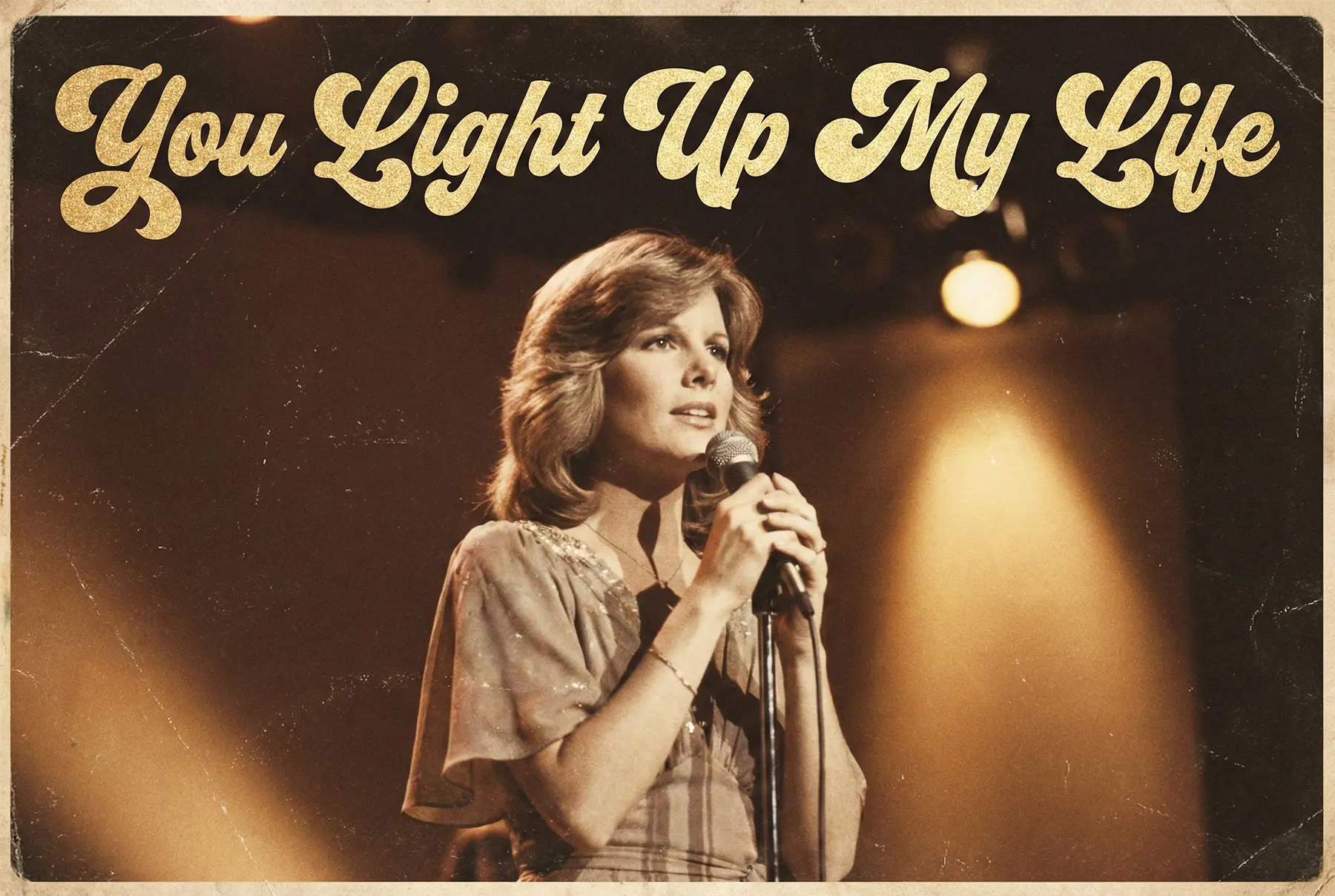
The Ghost of 1977: Why the Decade’s Biggest Hit Vanished
If you were to ask a random person on the street to name the quintessential song of the 1970s, you would get a predictable list of heavy hitters. You’d hear "Bohemian Rhapsody" or "Stairway to Heaven." You might get the Bee Gees’ "Stayin’ Alive" or perhaps the Eagles’ "Hotel California." If they were a bit edgier, they might suggest the Sex Pistols or The Clash.
Our cultural memory of the 1970s has been curated into a cool, leather-jacketed montage of classic rock, disco rebellion, and punk grit. We remember the music that shifted the culture, the songs that defined movements, and the anthems that still blare from stadium speakers during halftime shows.
But if you look at the cold, hard data of what Americans were actually listening to, buying, and obsessing over during the peak of that decade, the reality is starkly different. The statistical champion of the 1970s isn't Queen. It isn't Led Zeppelin. It isn't even the Bee Gees.
The biggest song of the 1970s—a track that spent a record-breaking ten weeks at number one, sold millions of copies, and won both a Grammy and an Oscar—is a song that has effectively vanished from the face of the earth.
It was "You Light Up My Life" by Debby Boone.
The Titan We Forgot
To understand the magnitude of this song’s success, you have to look at the charts of 1977. This was arguably the most competitive year in pop music history. It was the year Fleetwood Mac released Rumours. It was the year the Saturday Night Fever soundtrack exploded. It was the year Star Wars hit theaters.
Yet, starting in October 1977, Debby Boone—the squeaky-clean daughter of 50s crooner Pat Boone—put a stranglehold on the Billboard Hot 100 that would not let go until the year was almost over. For ten consecutive weeks, "You Light Up My Life" sat at the pinnacle of American culture.
To put that in perspective: The Beatles’ "Hey Jude" only managed nine weeks. The Rolling Stones never hit ten. Elvis never did it. Debby Boone’s reign was longer than any song in the history of the Hot 100 up to that point. It was a juggernaut. It was unavoidable. It was the soundtrack to weddings, proms, and radio commutes across the entire continent.
And today? It is a ghost.
You will not hear it on "Classic Rock" radio, which has carefully scrubbed the 70s of its soft-pop excesses. You likely won’t even hear it on "Oldies" stations, which prefer the upbeat Motown of the 60s or the yacht rock grooves of Hall & Oates. If you mention it to anyone under the age of 40, they will likely meet you with a blank stare.
How does the biggest statistical hit of a decade simply disappear?
The "Cool" Filter of History
The erasure of "You Light Up My Life" is a perfect case study in how cultural memory is rewritten by the victors. In the case of music history, the victors are the "cool" kids.
Music journalism and radio programming are largely run by people who value innovation, rebellion, and edge. We construct a narrative of the 1970s that focuses on the artistic peaks: the complexity of Pink Floyd, the raw energy of The Ramones, the slick production of Steely Dan. These artists represent who we want to be.
"You Light Up My Life," however, represented who we were.
The song is a slow, mid-tempo ballad. It is sentimental, arguably saccharine, and aggressively safe. In a year where punk was spitting in the face of the establishment and disco was igniting a sexual revolution in the clubs, Debby Boone provided a security blanket for the "Silent Majority." It was music for people who found the changing world a bit too loud, a bit too fast, and a bit too scary.
But "safe" doesn't survive. "Safe" is disposable. Once the moment passed, the song offered no cultural cachet. Wearing a Rolling Stones t-shirt in 2026 signifies that you have taste; wearing a Debby Boone t-shirt signifies that you have a sense of irony (or a very dusty attic).
The Distinction Between "Biggest" and "Best"
This phenomenon exposes a critical flaw in how we measure success. We often equate "number one" with "culturally significant," but the two are rarely the same.
Chart success measures ubiquity. It tells us what was most available and most palatable at a specific moment in time. It captures the lowest common denominator—the song that everyone could tolerate enough to buy for a dollar.
Cultural legacy, on the other hand, measures identity. Songs like "Bohemian Rhapsody" or "Hotel California" endure not just because they were hits, but because they became part of the listener’s identity. They challenged the audience. They created tribes. You were a rocker, a disco queen, a punk.
"You Light Up My Life" didn't create a tribe. It didn't ask anything of you. It was musical wallpaper—pleasant, comforting, and ultimately removable. It was a song you bought, but not a song you lived.
The Metric of Passion vs. The Metric of Volume
There is also the "passion gap." A song can reach number one because a million people kind of like it. A song can peak at number ten because a hundred thousand people would die for it.
History favors the latter. The passion of the minority often outlasts the passive approval of the majority. The Velvet Underground sold very few records in the 70s, but as the saying goes, everyone who bought one started a band. Debby Boone sold millions of records, but nobody started a band because of "You Light Up My Life."
The song’s writer, Joseph Brooks (who later had a tragic and sordid fall from grace), crafted a melody that was scientifically designed to trigger an emotional response, but it lacked the specific grit that makes art sticky. It was a generic vessel into which listeners could pour their own vague feelings of love or faith. In fact, Boone often stated she sang the song to God, while the movie it was written for used it as a romantic ballad. It was everything to everyone, and therefore, it became nothing in particular.
Impact then vs. now
So, next time you look at a "Top Hits of the 2020s" playlist and see a song that seems inexplicable—a viral TikTok hit or a generic pop track that dominates for weeks but feels empty—remember Debby Boone.
"You Light Up My Life" serves as a humble reminder that the charts are not a history book; they are a daily weather report. They tell us which way the wind was blowing on a Tuesday in October, but they don't tell us which mountains will still be standing fifty years later.
The 1970s were wild, revolutionary, and transformative. But for ten weeks in 1977, the country wasn't listening to the revolution. They were listening to Debby Boone. And then, just as quickly, they decided to forget they ever did.
In 1977, Debby Boone's "You Light Up My Life" topped the charts for a record-breaking 10 weeks, yet today it is largely absent from classic radio playlists.
More articles

Why are reviews so important for your service business?

Top 10 Shopify stores that have redefined retail